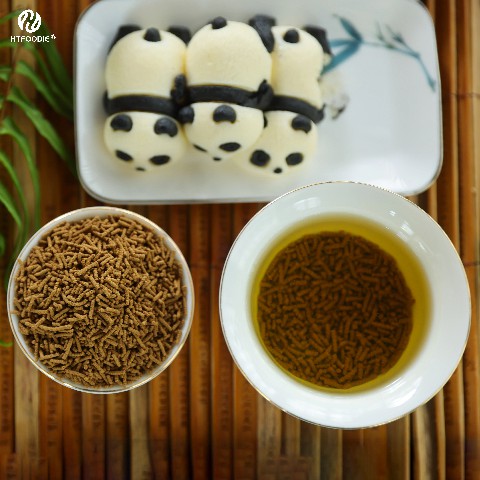
Tartary buckwheat tea has gained popularity worldwide as a warm, nutty, caffeine-free infusion. Yet many consumers do not realize what is actually in the cup: no leaf of the tea plant at all. This article explains what tartary buckwheat tea really is, where it comes from, what makes it nutritionally distinctive, and how to enjoy and choose it.
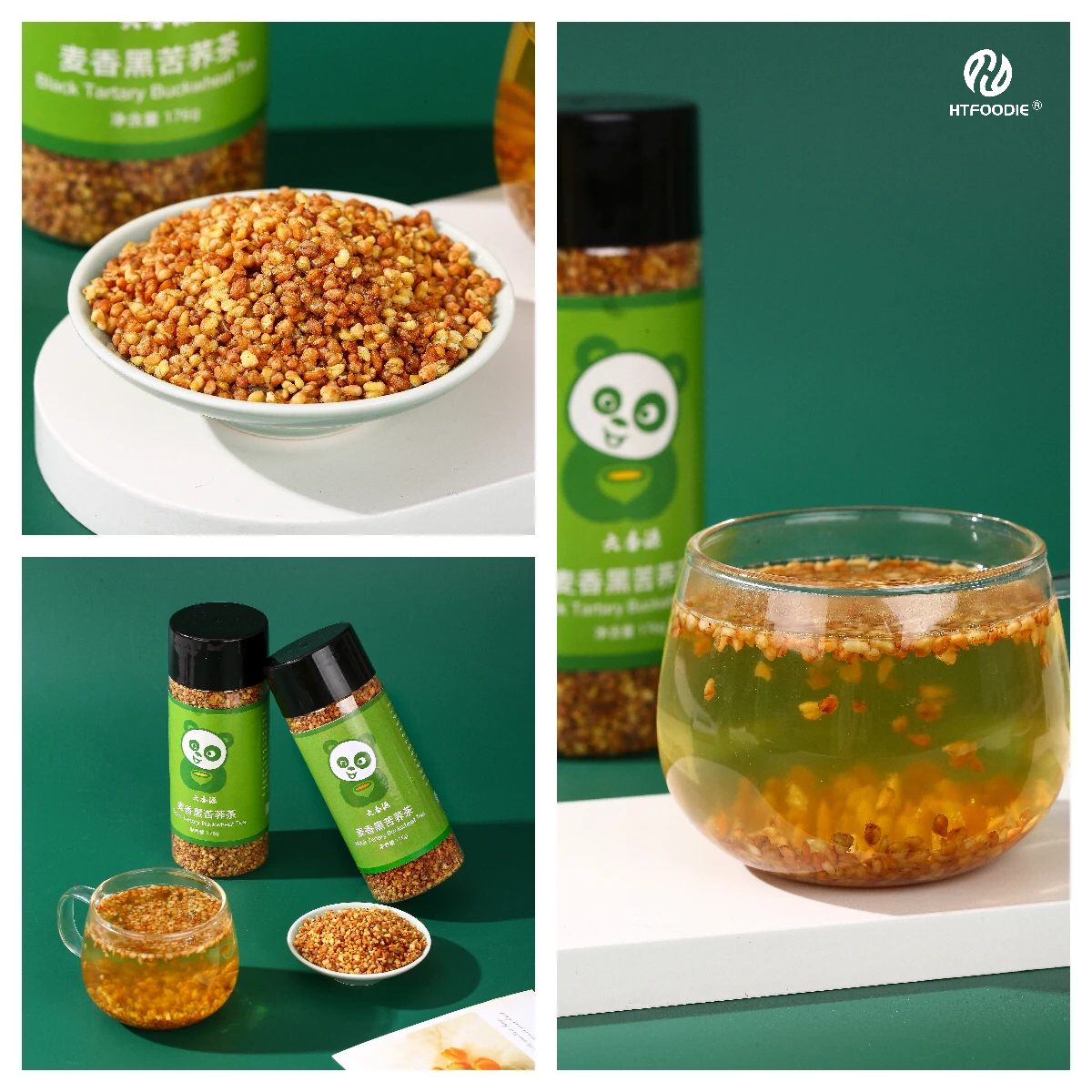
In botanical terms, tartary buckwheat tea is not tea. It is a grain tisane — an infusion made by steeping roasted grains of tartary buckwheat (Fagopyrum tataricum) in hot water. Because there is no Camellia sinensis leaf, the drink contains no caffeine, theobromine or theophylline. Its flavour and colour are formed not by oxidising leaves but by roasting the grain, which develops a distinctive roasted, nutty, bready-cereal character with a light caramel sweetness.
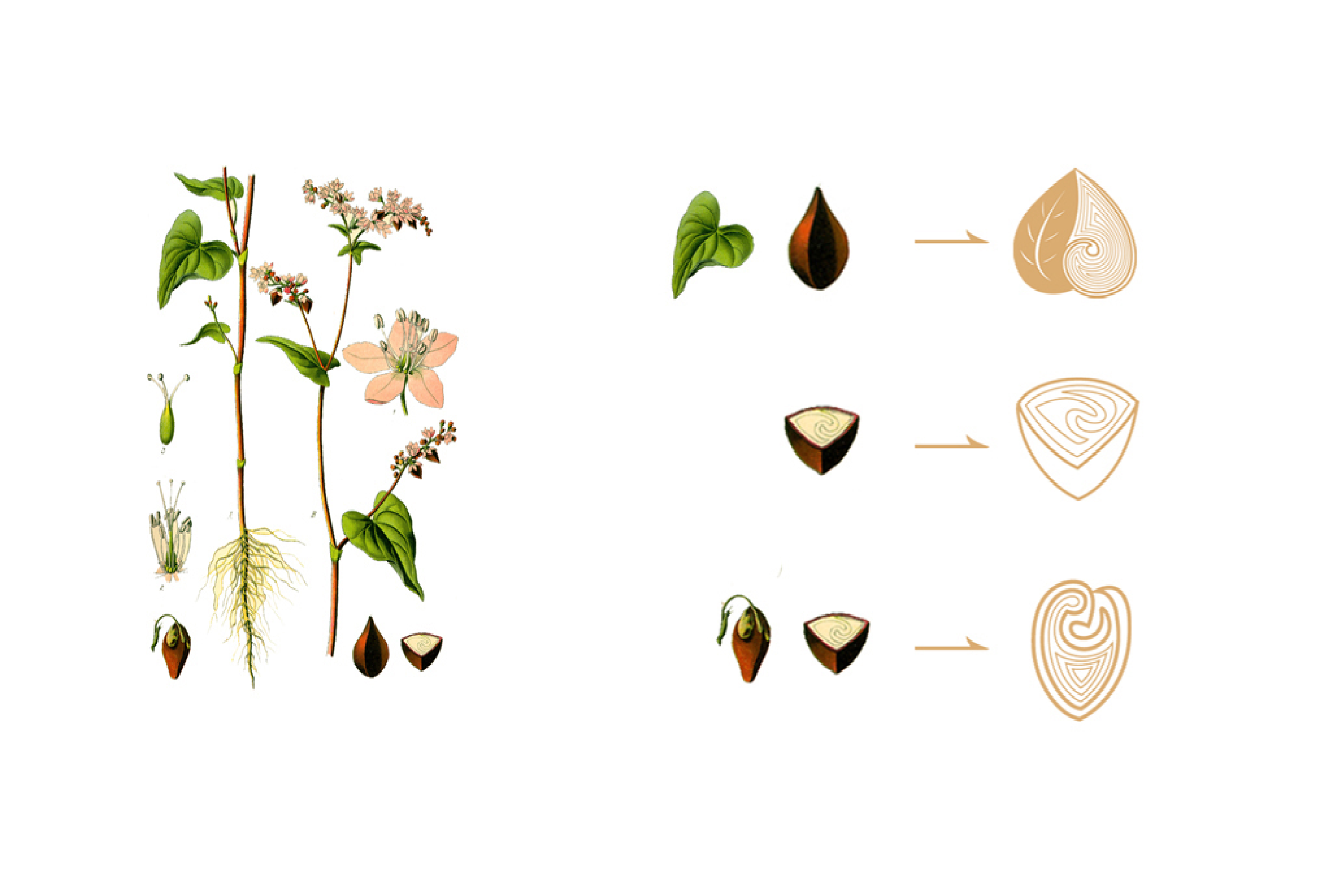
Tartary buckwheat is an ancient high-mountain crop of southwestern China, and its best-known cultivation region is Liangshan Yi Autonomous Prefecture in Sichuan Province — often called the “world capital of tartary buckwheat.” The Yi people have grown the grain there for more than a thousand years, using it both as a staple food and in festivals and rituals. Grown at altitudes of roughly 2,600–3,000 metres on cool, clean highland soils, the plant is drought- and poor-soil-tolerant and requires no pollinators, which makes it well suited to isolated mountain areas where other cereals struggle.

What sets tartary buckwheat apart is its exceptionally high content of rutin, a flavonoid glycoside. In the grain, rutin ranges from roughly 0.8 to 1.7% of dry mass (about 800–1,700 mg per 100 g), and it concentrates even more strongly in the bran and hull. Tartary buckwheat can contain tens to a hundred times more rutin than common (“sweet”) buckwheat — a key reason it is valued as a functional-food raw material. Alongside rutin, the grain provides quercetin, D-chiro-inositol, a relatively balanced protein (roughly 9–15%) rich in lysine and arginine, B-group vitamins, vitamin E, and minerals such as magnesium (about 150 mg/100 g), potassium, iron and zinc.
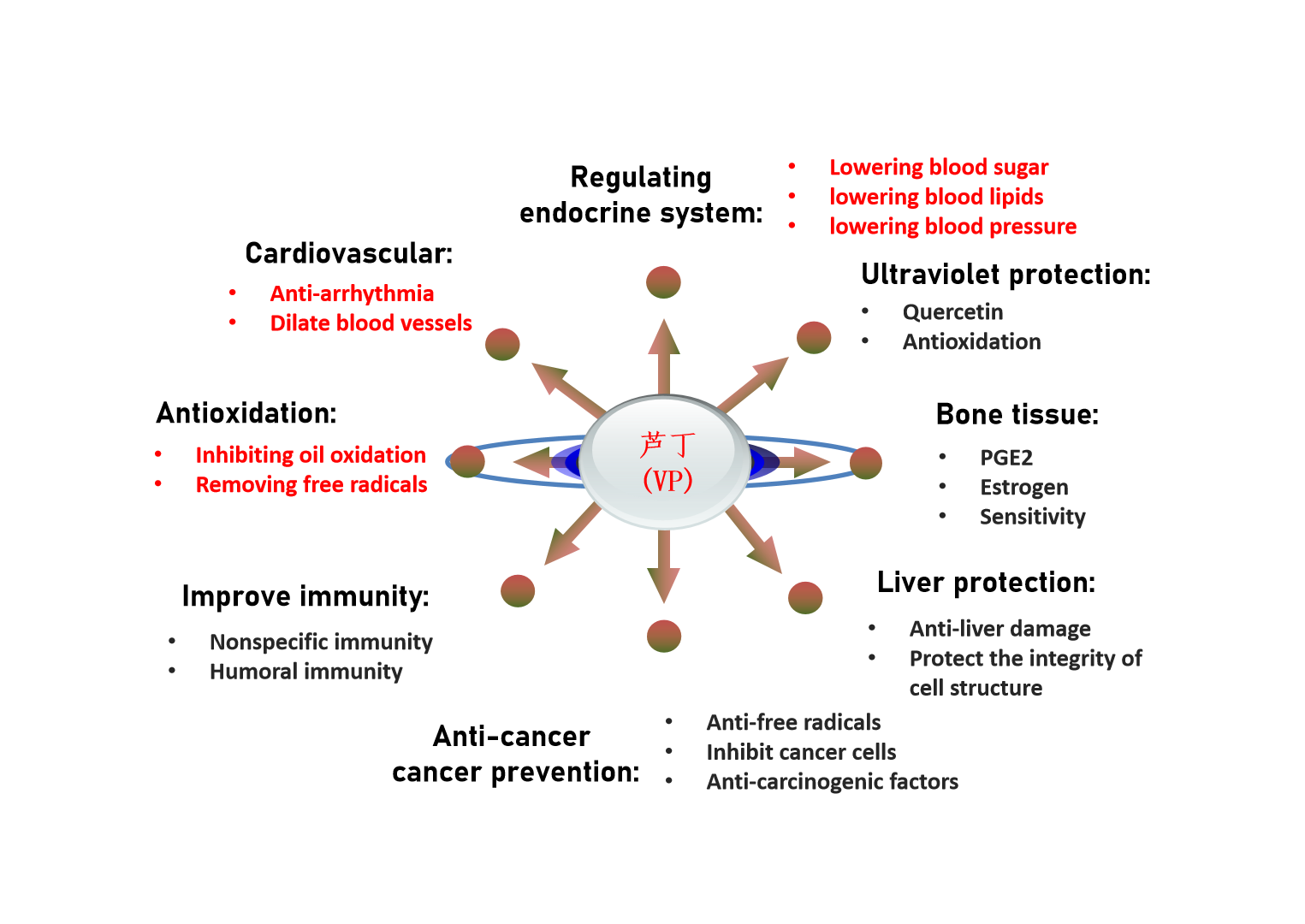
Most health-relevant research has been conducted on the grain, flour or extracts rather than on the brewed beverage itself. Studies associate tartary buckwheat’s rutin and flavonoids with antioxidant activity and support of the vascular wall. D-chiro-inositol and related compounds are being studied for their potential role in carbohydrate metabolism, although much of this evidence comes from animal models. In some human studies, partly replacing staple foods with tartary buckwheat was accompanied by reductions in fasting insulin, total cholesterol and LDL cholesterol in people with type 2 diabetes. These are research directions and risk-factor observations, not medical treatment claims — a point any responsible supplier should make clear.
There are various ways to drink kudzu root tea. Here are some recommendations on how to brew kudzu root tea:
1. Any type of water can be used, such as mineral water, purified water, mountain spring water, well water, or tap water.
2. Water temperature for brewing: The preferred temperature is above 80 degrees Celsius. In high-altitude areas, the water temperature should be around 90 degrees Celsius (do not use hard water that has been repeatedly boiled or overnight boiled water. It is not recommended to use water with a temperature below 80 degrees Celsius for brewing kudzu root tea).
3. The tea can be brewed repeatedly until the taste becomes mild. Use a spoon to remove the tea particles and eat them (you can also mix 1-3 bags of kudzu root tea into washed rice and steam it together. The cooked rice has a yellow-green color and a mixture of kudzu root fragrance and the aroma of rice, which is extremely appetizing).