
Meta Description
Learn the differences between Tartary buckwheat and common buckwheat, including their appearance, flavors and uses.
Keywords
Tartary buckwheat vs common buckwheat, bitter buckwheat, buckwheat tea, Fagopyrum tataricum, buckwheat varieties
What Is Buckwheat?
Before comparing the two varieties, it is important to understand what buckwheat is.
Despite its name, buckwheat is not a type of wheat. It is a seed from the Polygonaceae family and is naturally different from cereal grains such as wheat, rice, and corn.
Buckwheat has been cultivated for thousands of years and is used worldwide to produce:
-Noodles
-Flour
-Pancakes
-Porridge
-Roasted grain beverages such as buckwheat tea
The two main cultivated species are:
1. Common buckwheat (Fagopyrum esculentum)
2. Tartary buckwheat (Fagopyrum tataricum)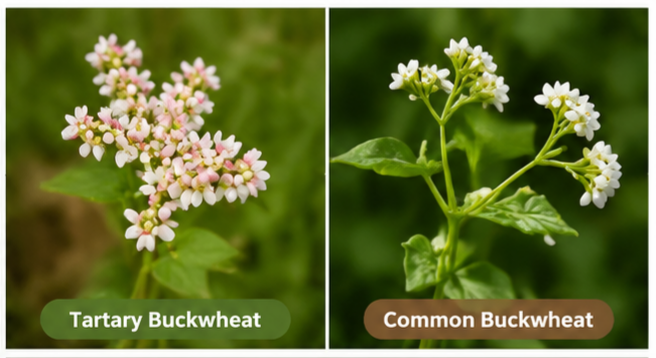
What Is Tartary Buckwheat?
Tartary buckwheat, scientifically known as Fagopyrum tataricum, is another important buckwheat variety.
It is sometimes called:
-Bitter buckwheat
-Tartary buckwheat
-Bitter buckwheat tea material
Compared with common buckwheat, Tartary buckwheat has a more distinctive flavor profile and is especially popular for roasted grain tea production.
Key Differences Between Tartary Buckwheat and Common Buckwheat
1. Flavor Difference
The most noticeable difference is taste.
Tartary Buckwheat
Tartary buckwheat usually has:
A stronger grain aroma
A more pronounced roasted flavor
A slightly earthy taste
After roasting, it develops a rich nutty fragrance, making it suitable for buckwheat tea.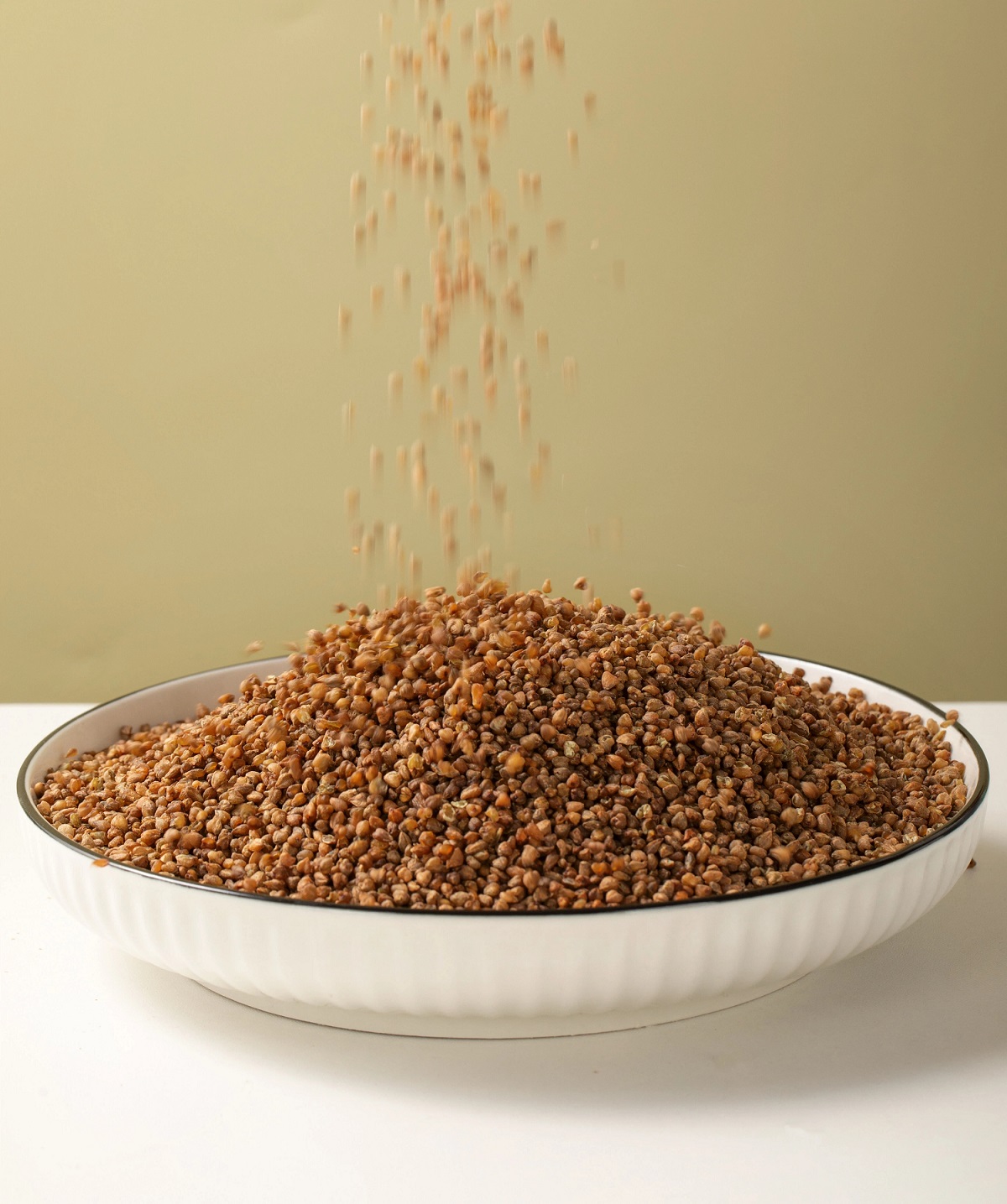
Common Buckwheat
Common buckwheat generally has:
-A milder flavor
-A softer grain aroma
-A more neutral taste
This makes it suitable for flour-based foods and noodles.
2. Appearance Difference
The grains of both varieties are small and triangular, but there can be differences.
Tartary Buckwheat
Typically:
Smaller grains
Darker outer color
More distinctive appearance
After roasting, Tartary buckwheat often produces a deeper golden tea color.
Common Buckwheat
Typically:
-Larger seeds
-Lighter appearance
-Commonly processed into flour
The appearance can vary depending on growing conditions and processing methods.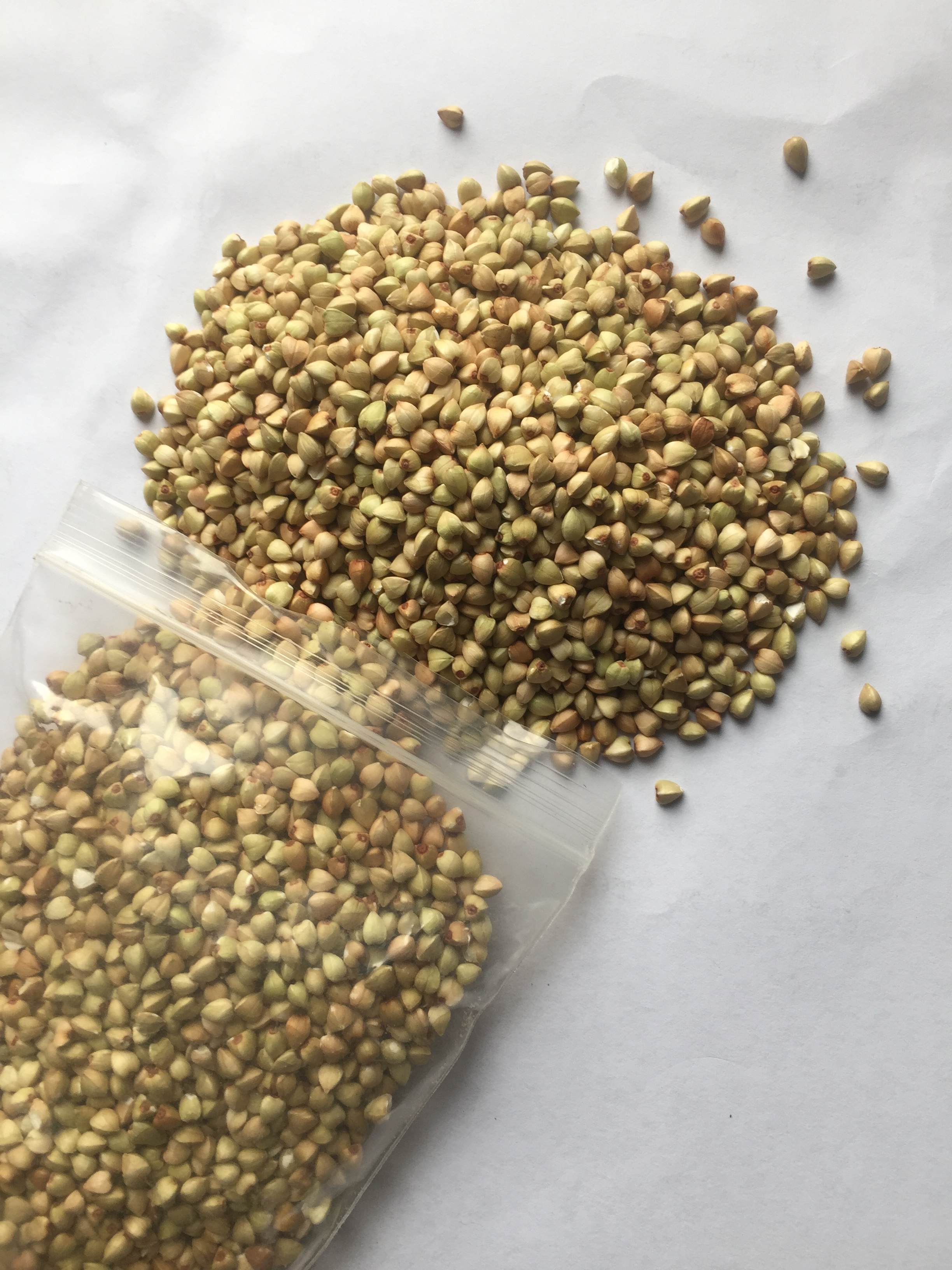
3. Different Uses in Food and Beverage
The different characteristics of these varieties determine their common applications.
| Application | Tartary Buckwheat | Common Buckwheat |
|---|---|---|
| Buckwheat tea | ★★★★★ | ★★★ |
| Soba noodles | ★★★ | ★★★★★ |
| Buckwheat flour | ★★★★ | ★★★★★ |
| Roasted grain beverage | ★★★★★ | ★★★ |
Tartary buckwheat is especially valued for tea because roasting enhances its natural grain aroma.
Conclusion
Tartary buckwheat and common buckwheat come from the same plant family but offer different characteristics.
Common buckwheat is widely appreciated for foods such as noodles and flour, while Tartary buckwheat is especially valued for roasted beverages like buckwheat tea.
Understanding the differences between these two varieties allows consumers to better appreciate the unique flavor, history, and craftsmanship behind every cup of buckwheat tea.
